Stage 1Kindergarten & 1st Grade
UFLI Heart Words: Orthographic Sound Mapping Worksheet
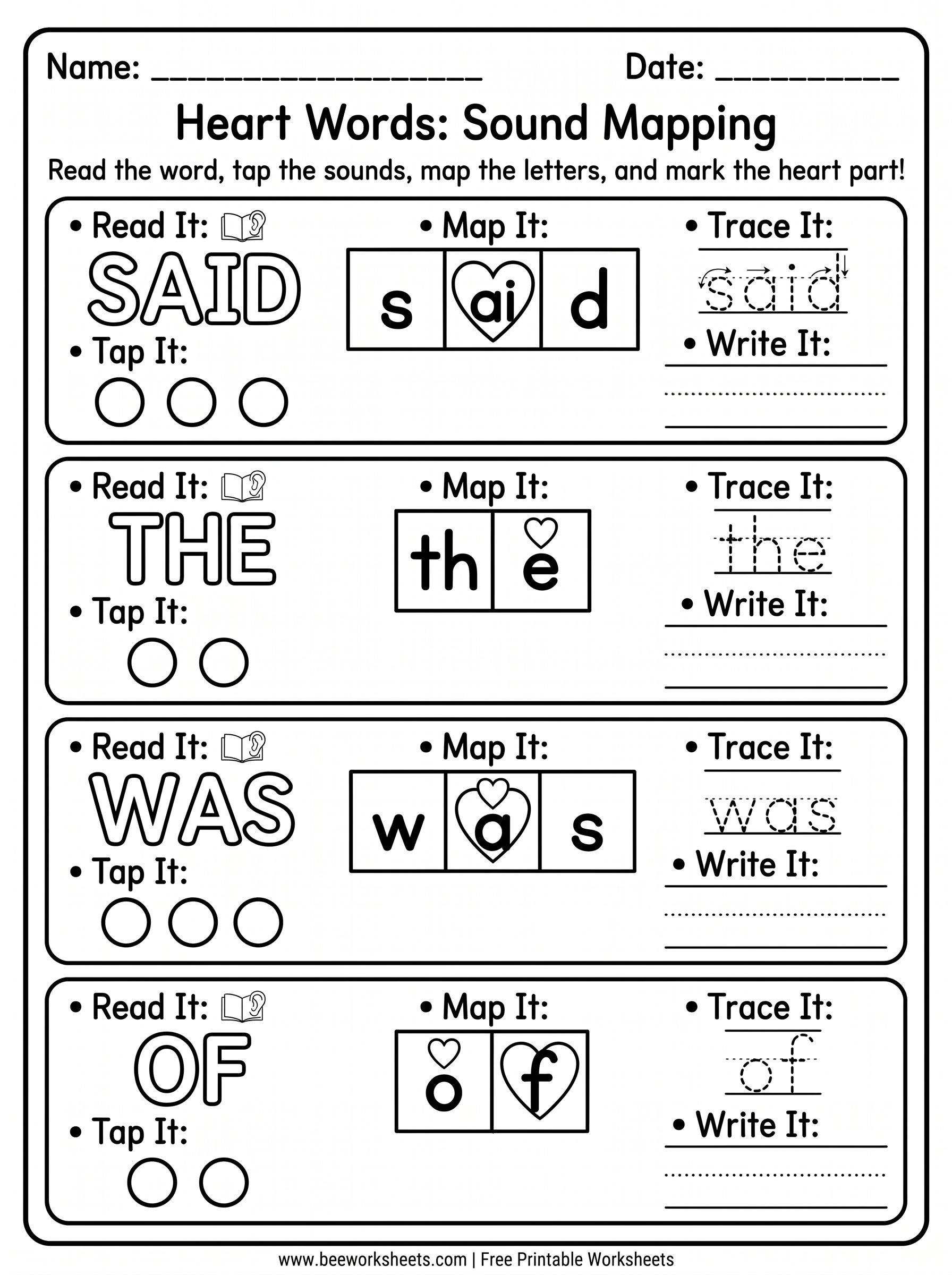
Read the word, tap the sounds, map the letters into sound boxes, and color the heart above the tricky irregular sound.

Opening your printable PDF file.
Replace rote flashcard memorization with proven Orthographic Mapping. Download free printable UFLI Heart Words worksheets designed to help Kindergarten and 1st Grade students decode, map, and master high-frequency irregular words.
Each worksheet targets a distinct orthographic mapping skill, advancing from sound-box segmentation to reading irregular words in decodable sentences.
Essential multi-sensory Elkonin sound boxes, Mason jar categorization, dice roll games, and connected decodable reading sentences.
Deep-dive practice on the 6 most common high-frequency irregular words: the, to & do, of, you, was, and are.
Crack the code on tricky 1st grade words: said, they, what, where, there, and from. Spot regular vs irregular sounds.
Tackle tricky vowel patterns on Heart Word Trees, multi-syllable chunking with because, and phoneme mapping for friend.
Hands-on literacy centers: Flash vs Heart Words sort, Roll & Map Game #2, Cut & Paste Mason Jars, and Read-Map-Draw sentences.
Celebrate mastery of all 25 Science of Reading Heart Words with an official printable Heart Word Master! Award Certificate.
Select any worksheet below to view individual previews or download the instant vector PDF.
Read the word, tap the sounds, map the letters into sound boxes, and color the heart above the tricky irregular sound.
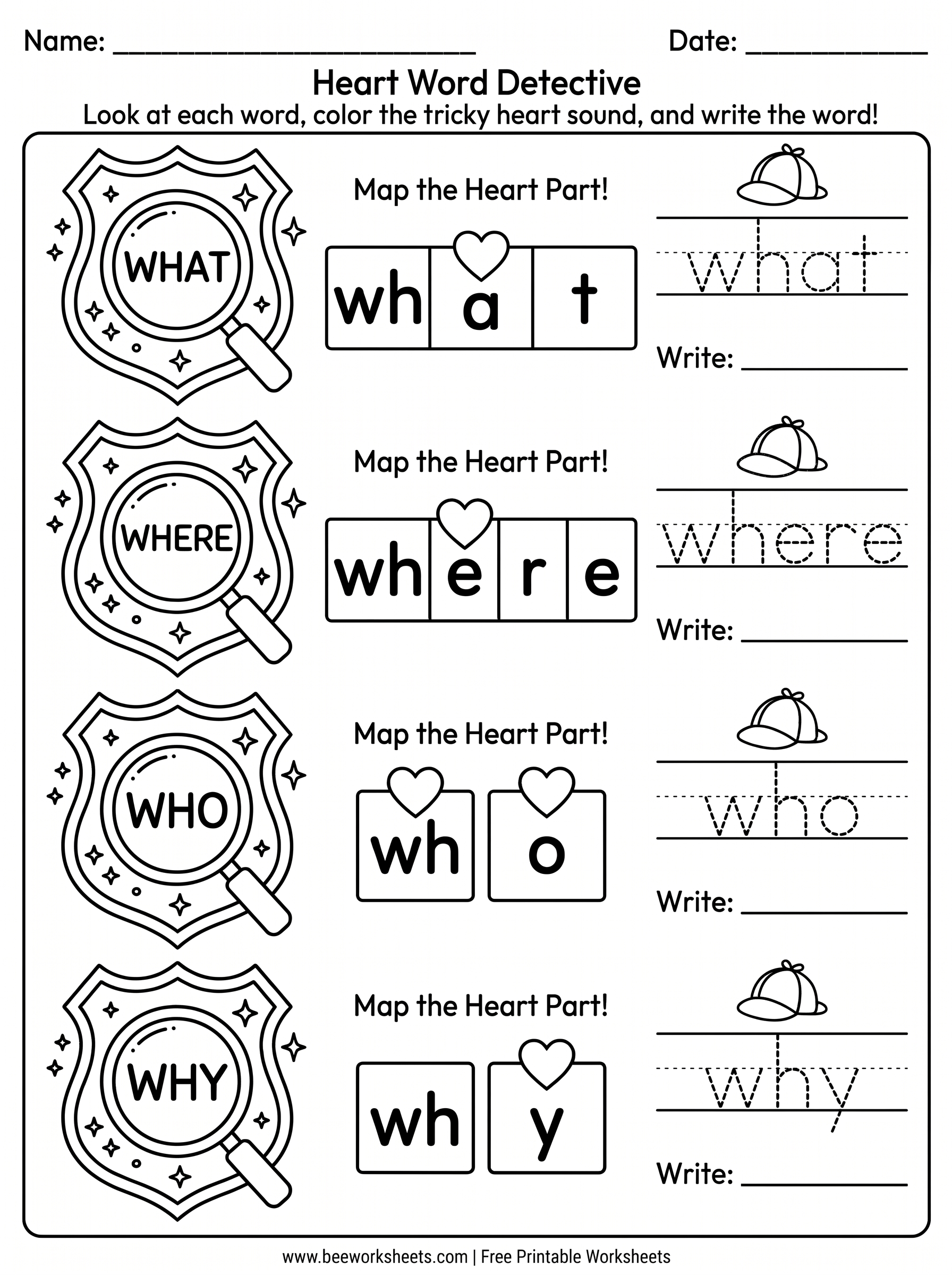
Look at each heart word, identify and color the tricky heart sound, and write the complete word on the handwriting line.
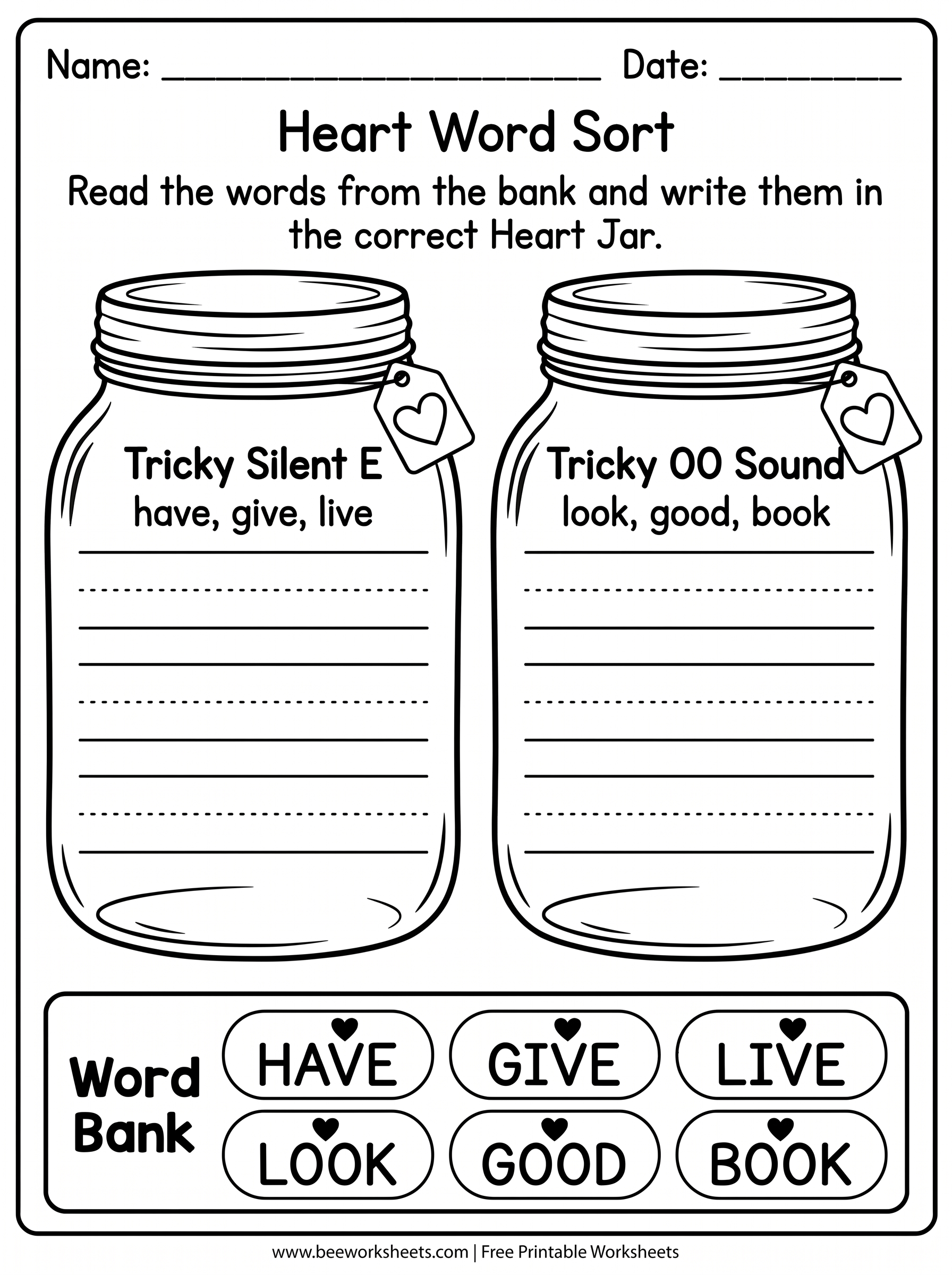
Read words from the word bank and sort them into the correct Heart Jar based on their irregular spelling patterns.
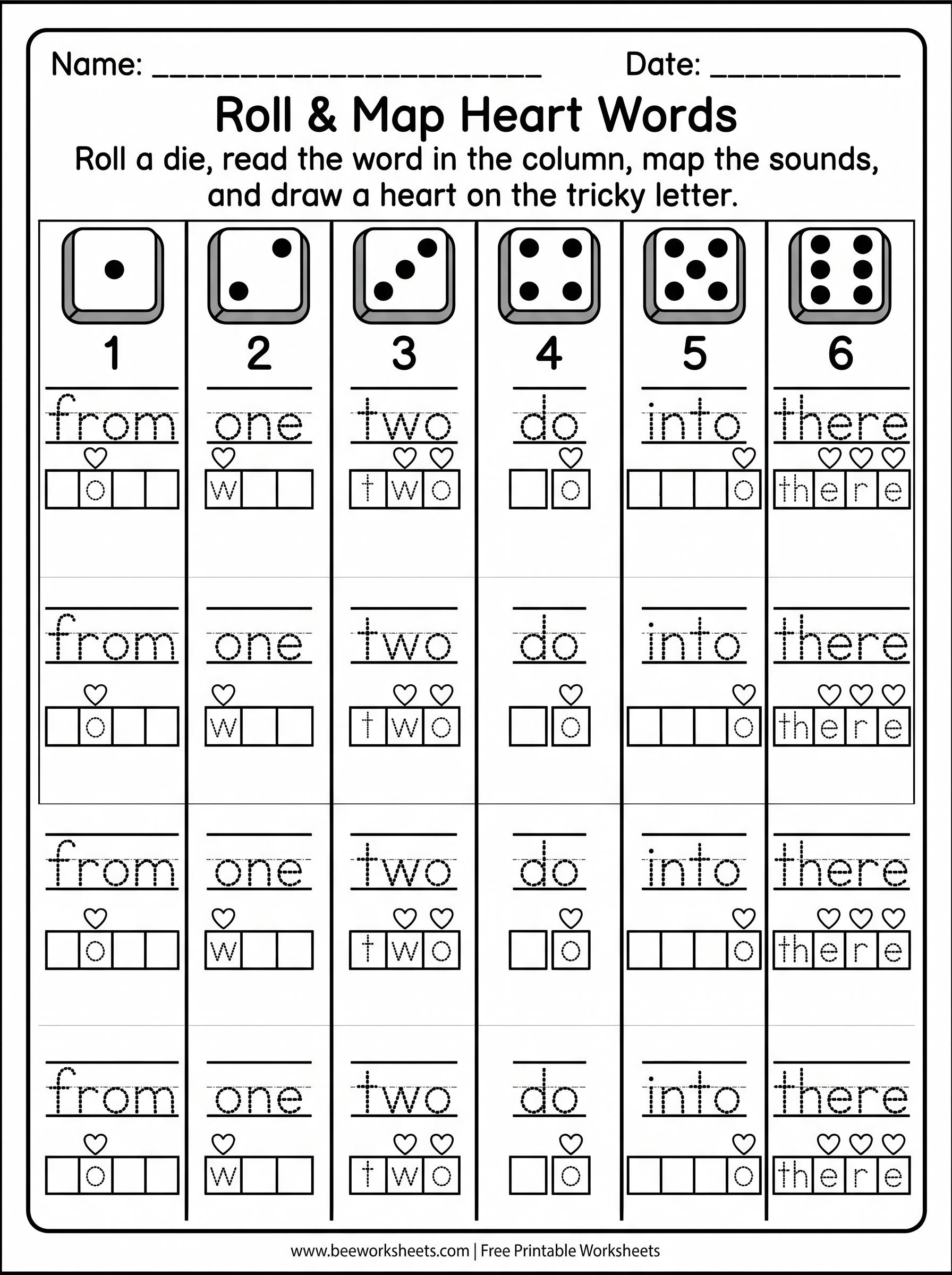
Roll a die, read the corresponding heart word in the column, map the phonemes, and draw a heart on the tricky part.
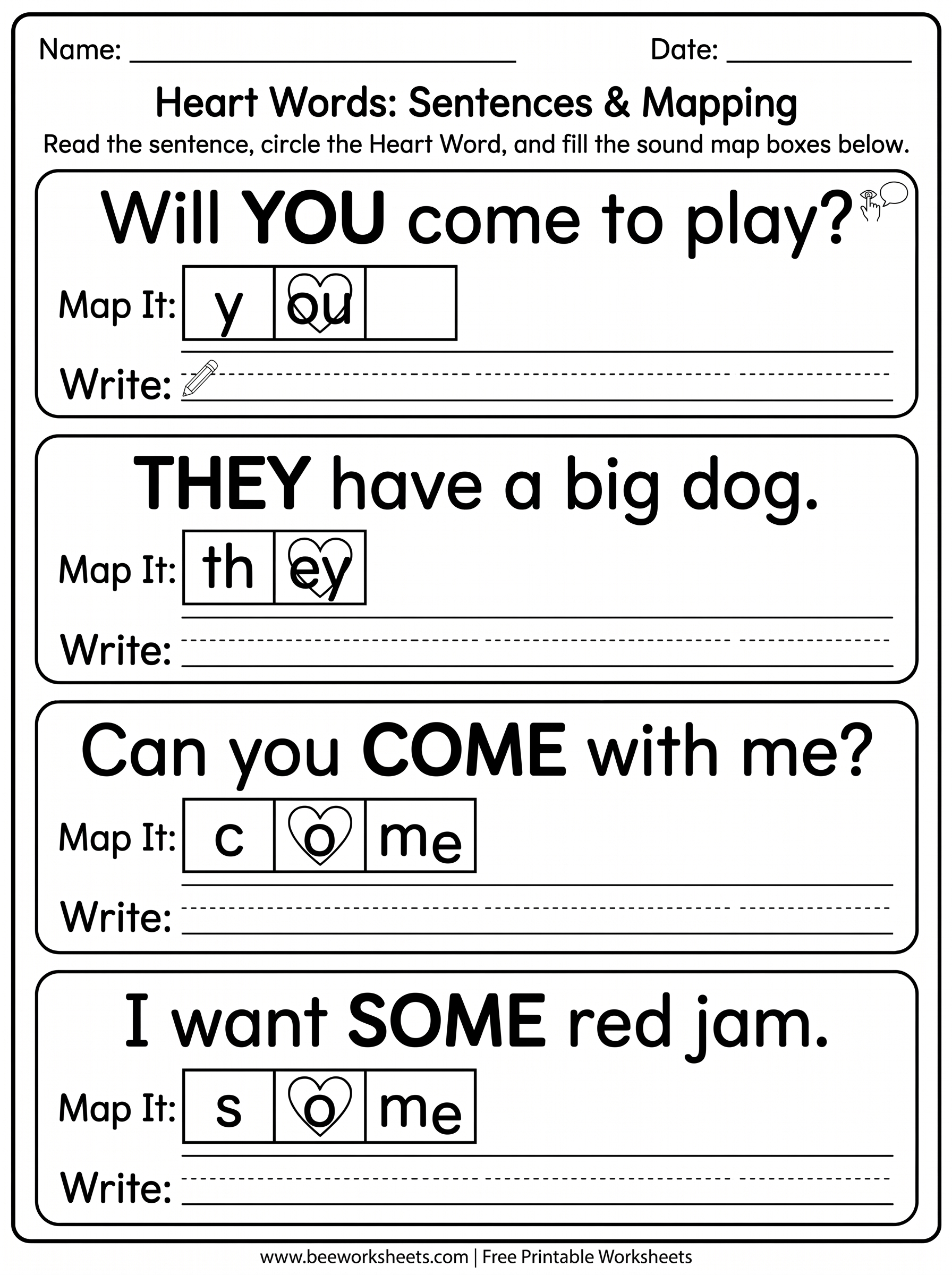
Read the sentence, circle the target Heart Word, fill in the sound map boxes below, and write the complete sentence.
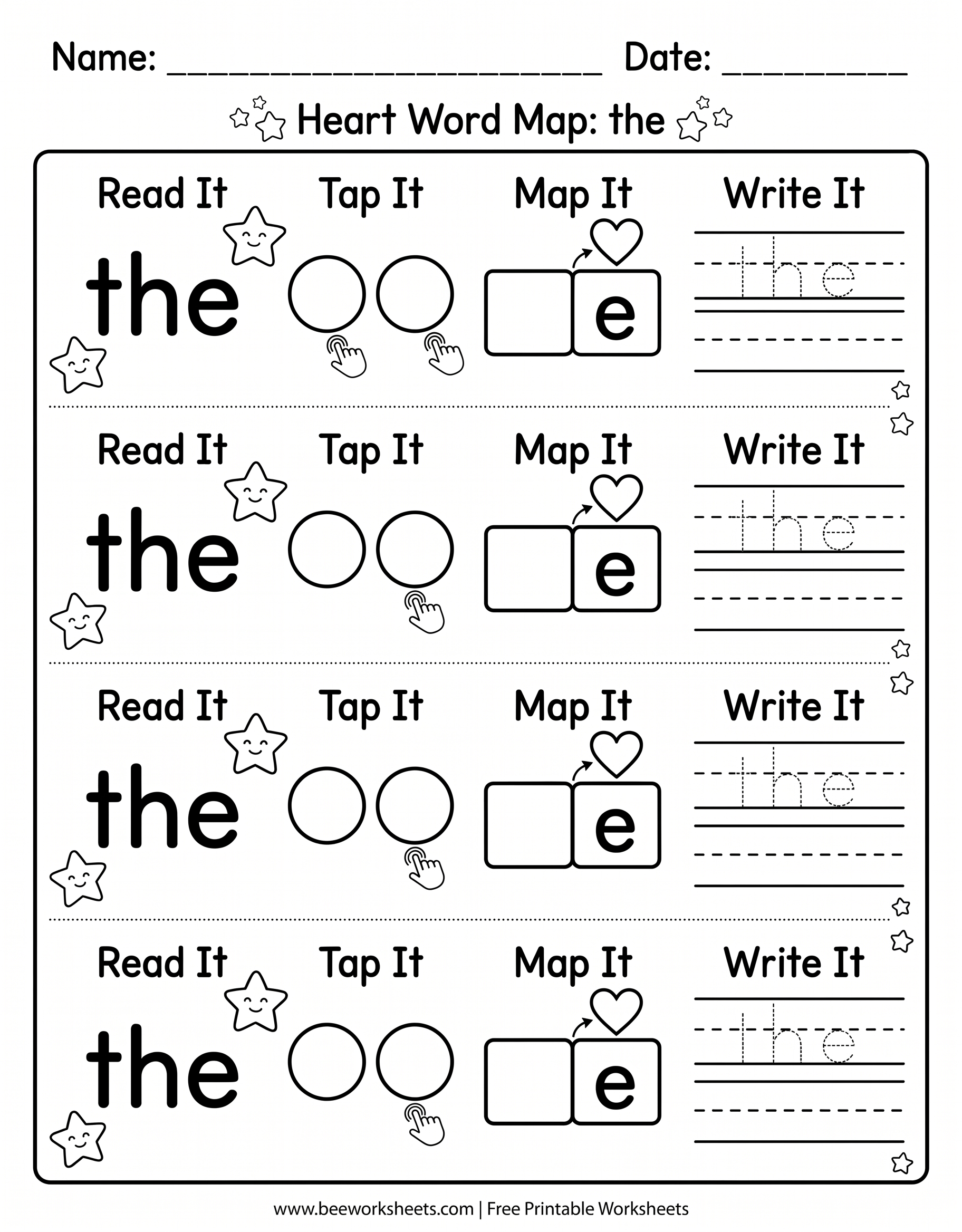
Read the word 'the', tap the 2 sounds, map into Elkonin boxes, color the heart above irregular /uh/ spelled with 'e', and write the word.
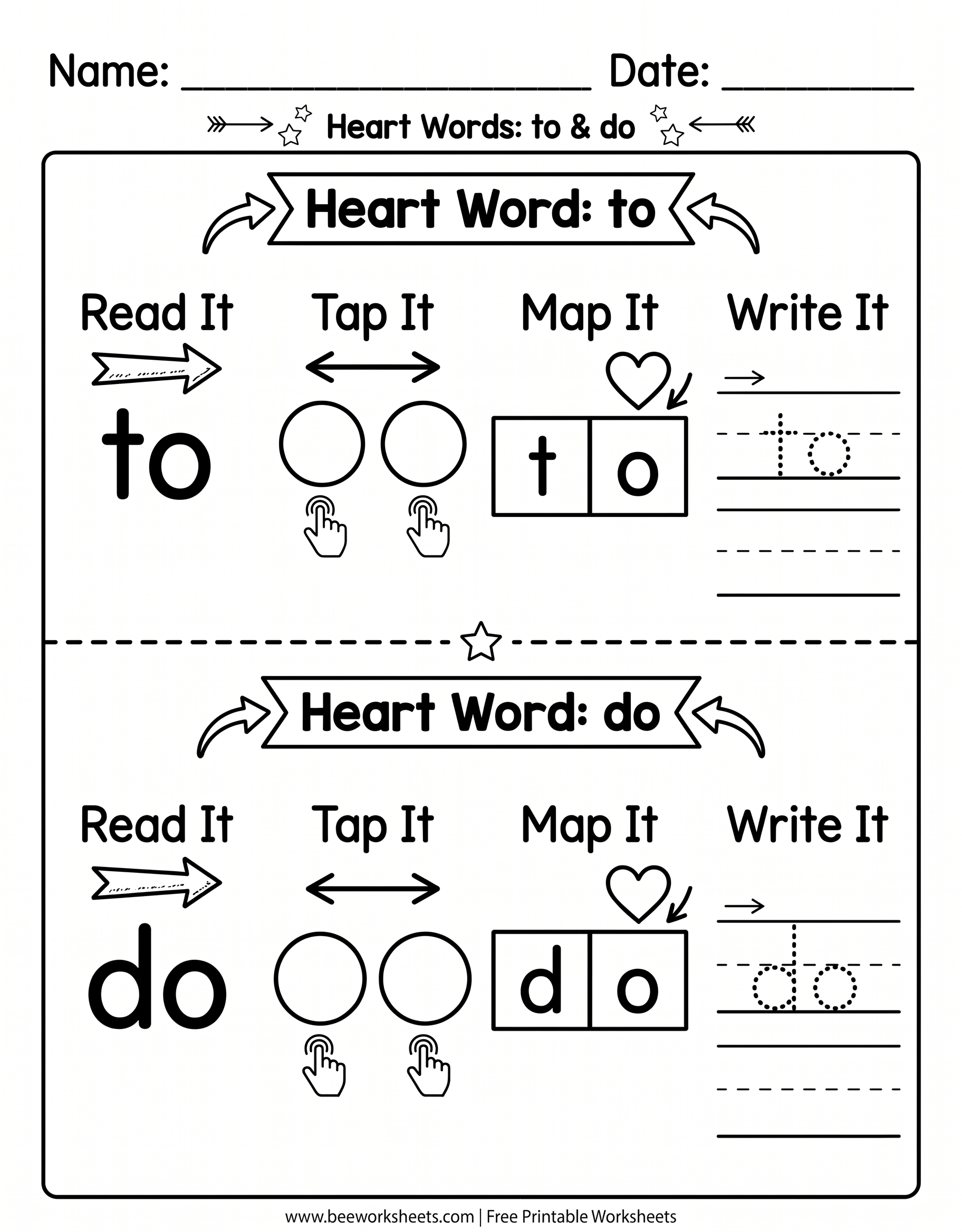
Compare heart words 'to' and 'do'. Tap regular consonant sounds /t/ and /d/, identify shared heart vowel /oo/ spelled with 'o', and practice writing.
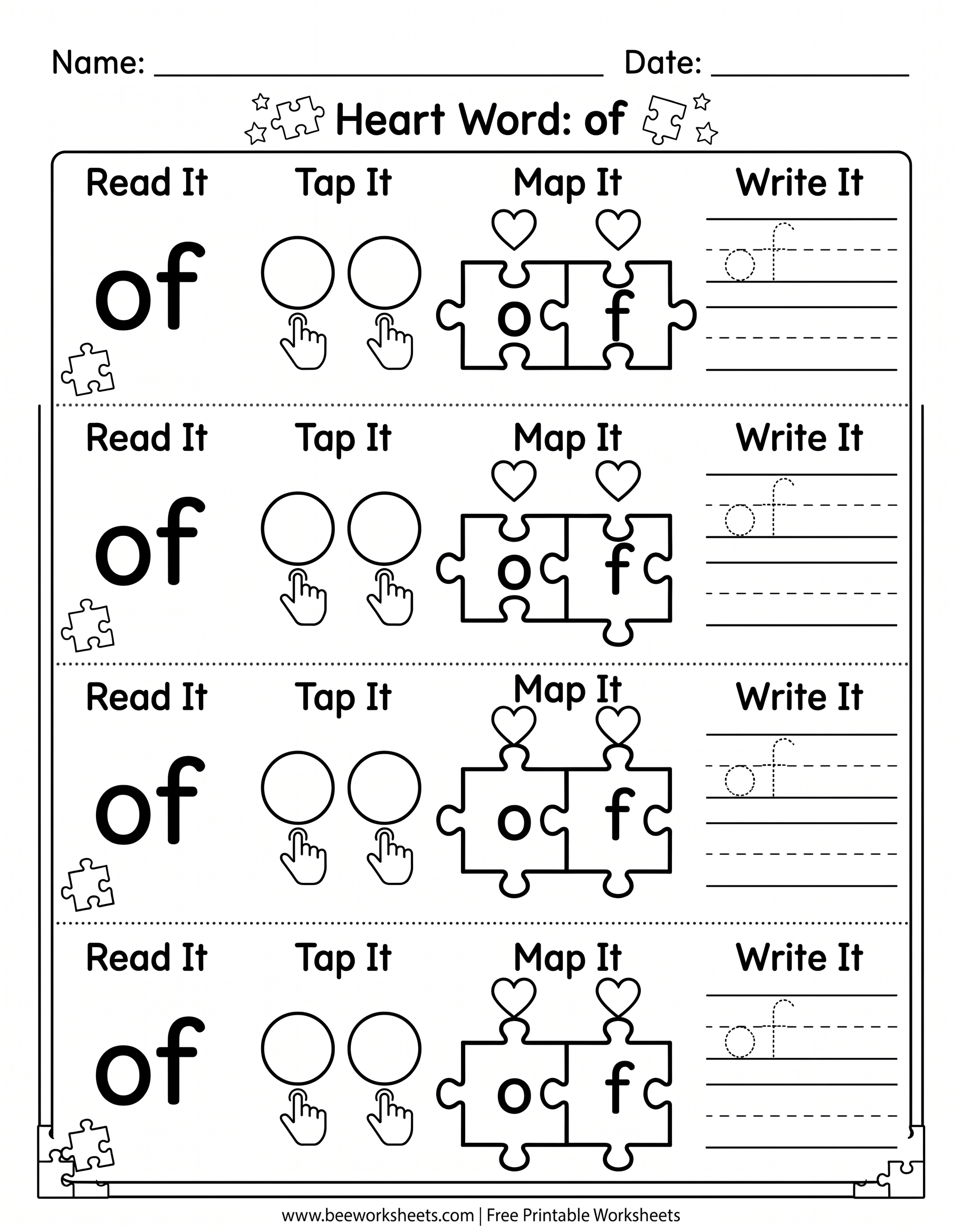
Read 'of', tap the 2 sounds (/uh/ /v/), recognize that both letters are irregular heart parts, map into sound boxes, and write sentences.
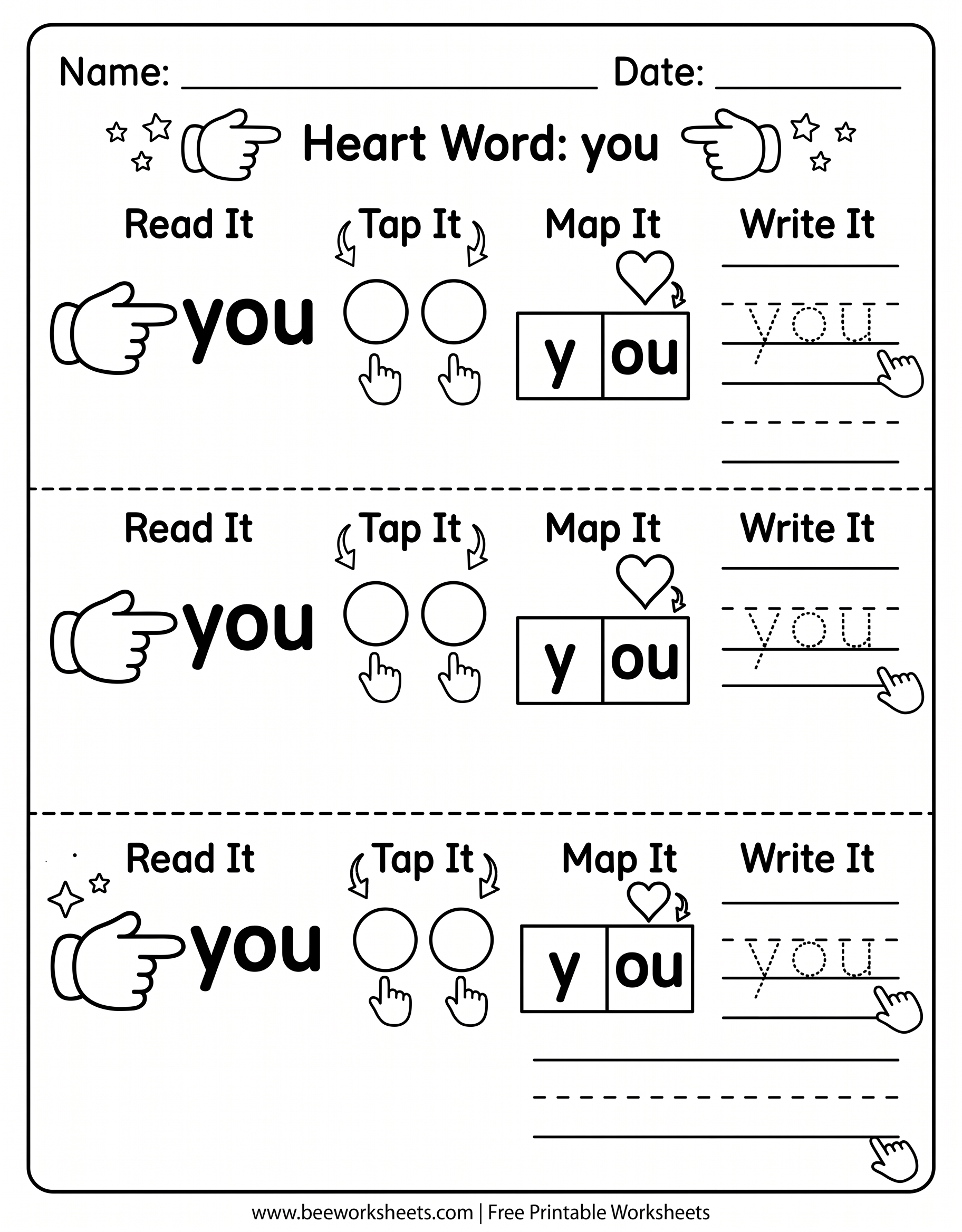
Read the word 'you', tap the 2 phonemes (/y/ /oo/), map into Elkonin boxes, draw a heart on vowel team 'ou', and trace/write.
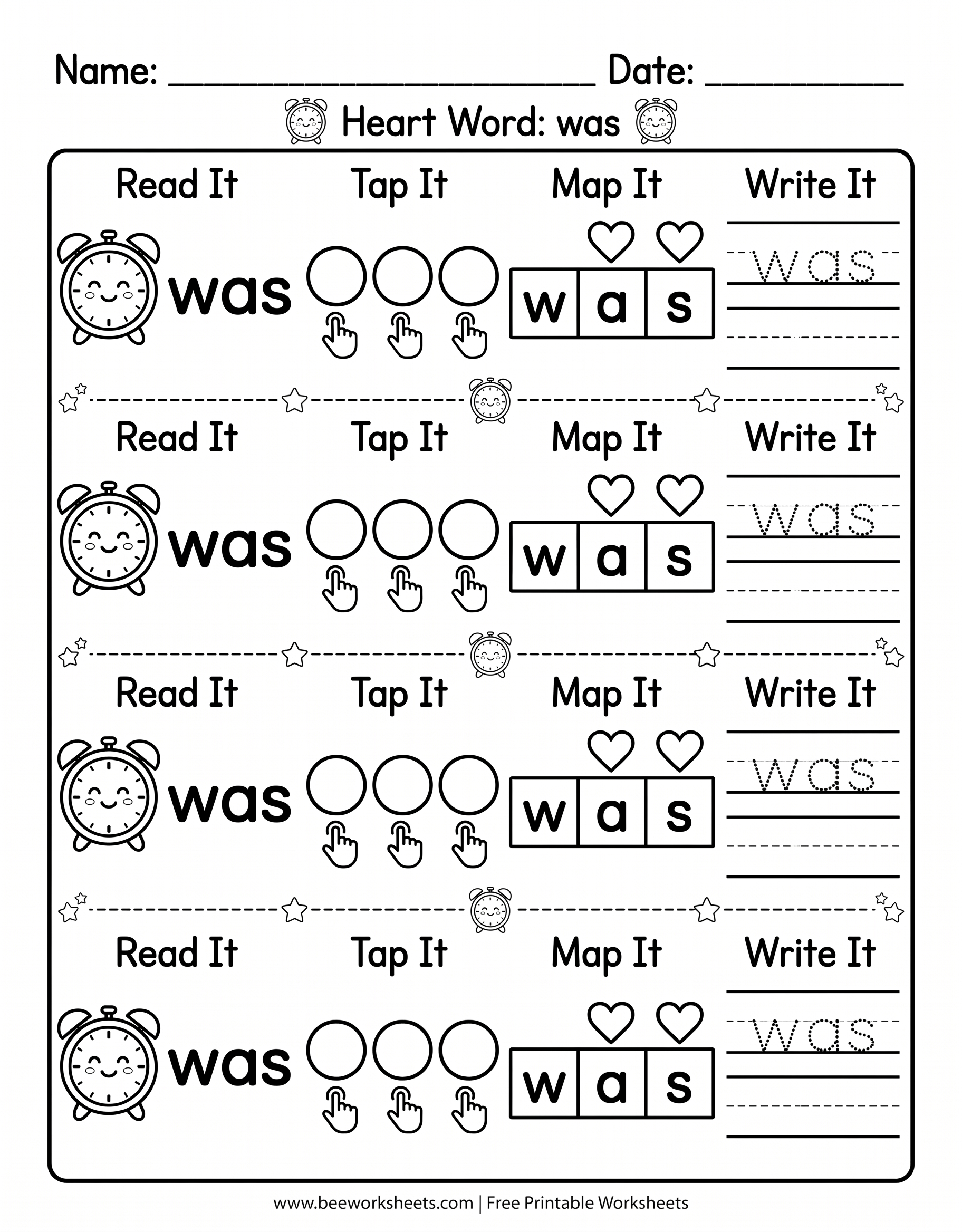
Read 'was', tap 3 sounds (/w/ /uh/ /z/), map regular /w/ consonant, mark heart sounds 'a' (/uh/) and 's' (/z/), and write.
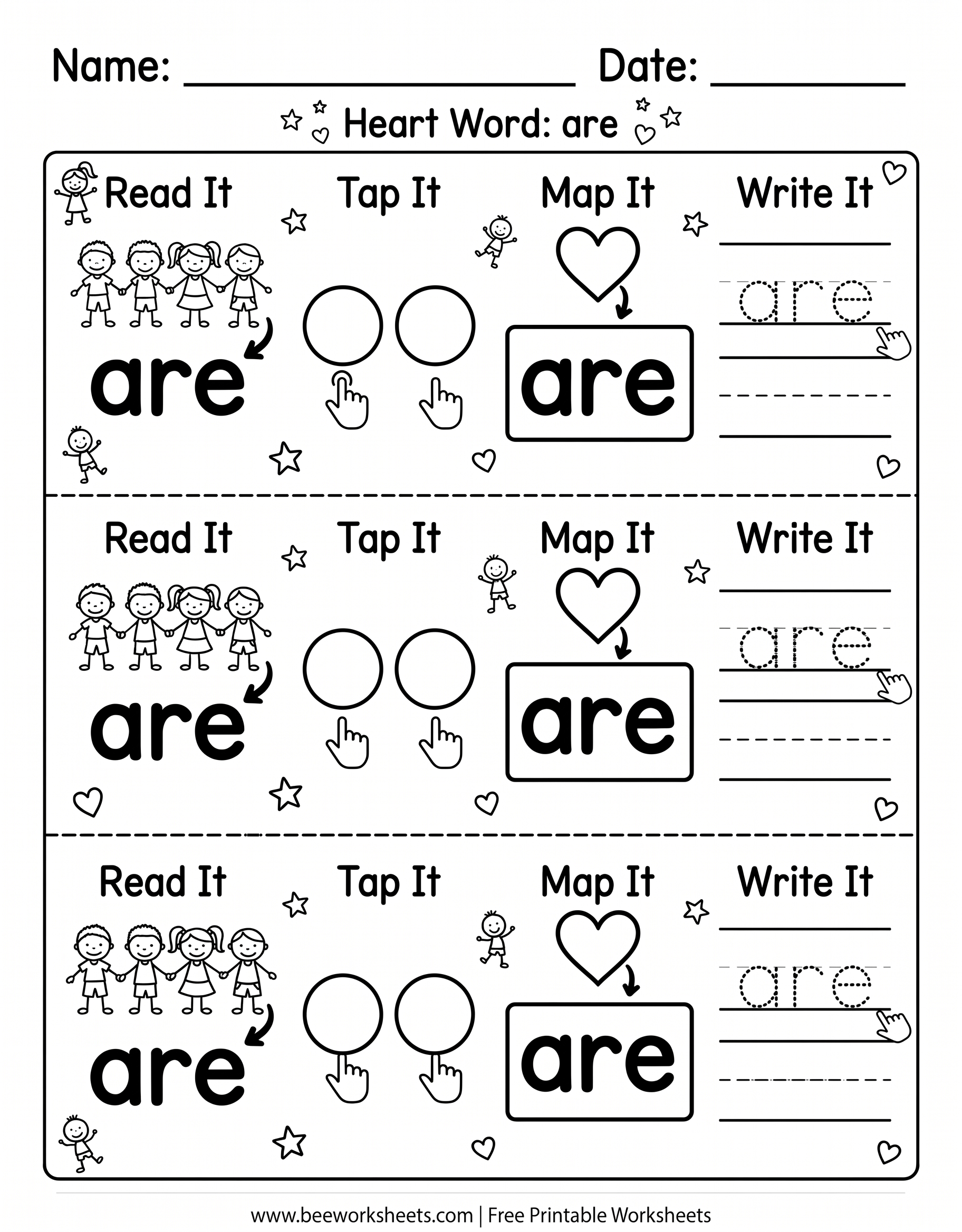
Read 'are', tap the single /ar/ phoneme, map 'ar' into the sound box, place a heart above silent 'e', and practice sentence tracing.
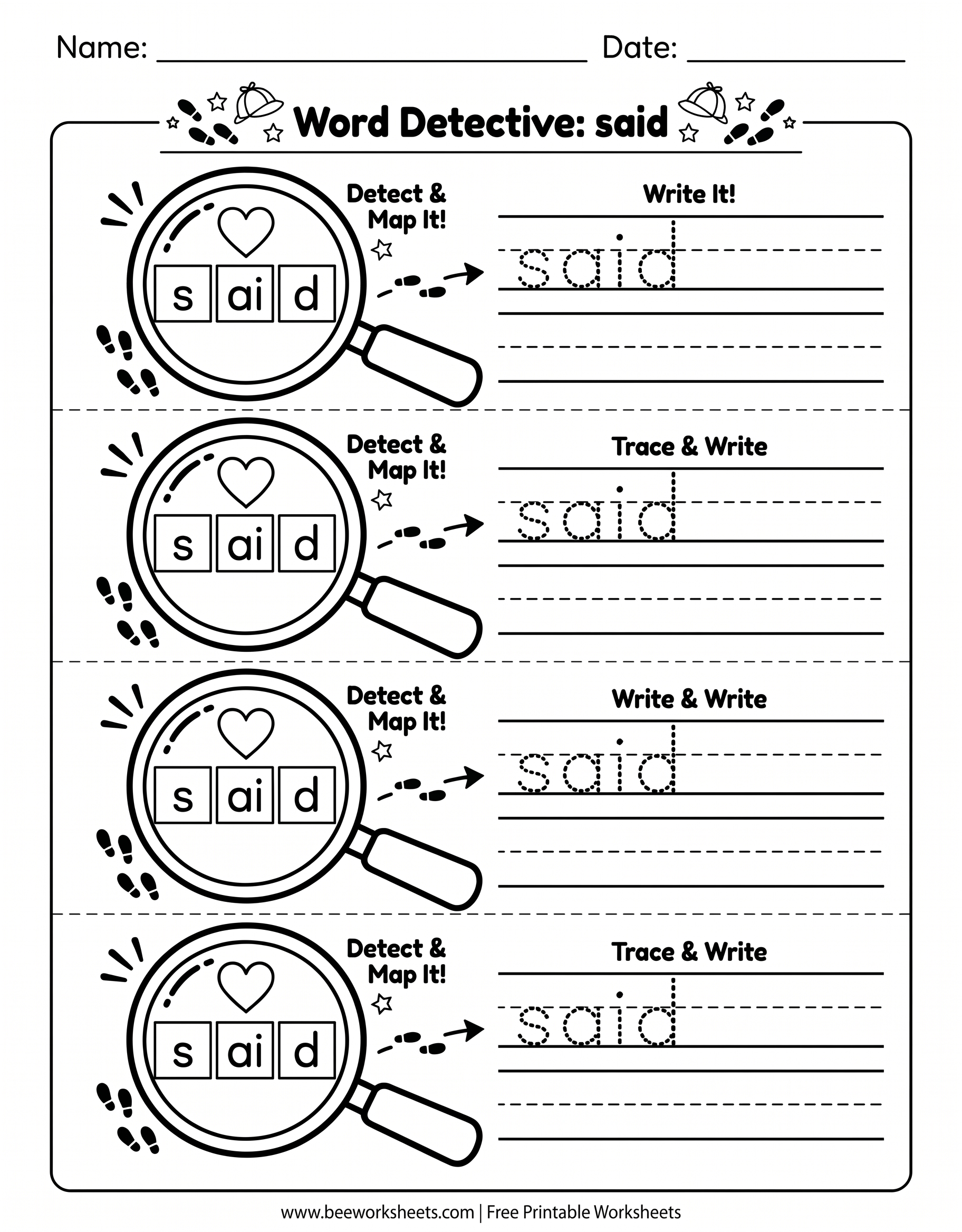
Investigate tricky word 'said'. Color regular sounds /s/ and /d/ green, put a red heart on irregular vowel team 'ai' (/eh/), and trace decodable clues.
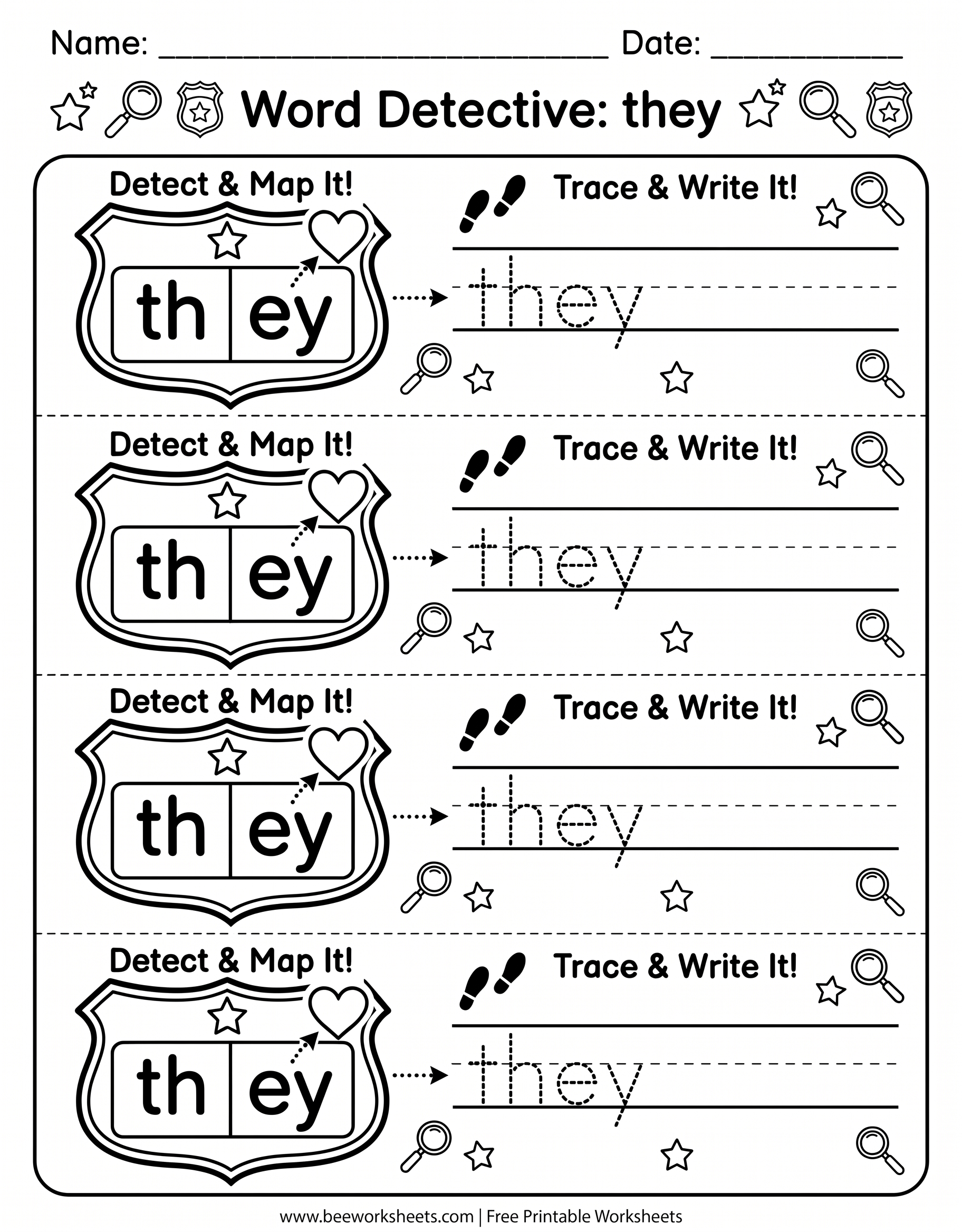
Investigate heart word 'they'. Map regular digraph /th/, heart-code irregular vowel spelling 'ey' (/ay/), and complete trace & write exercises.
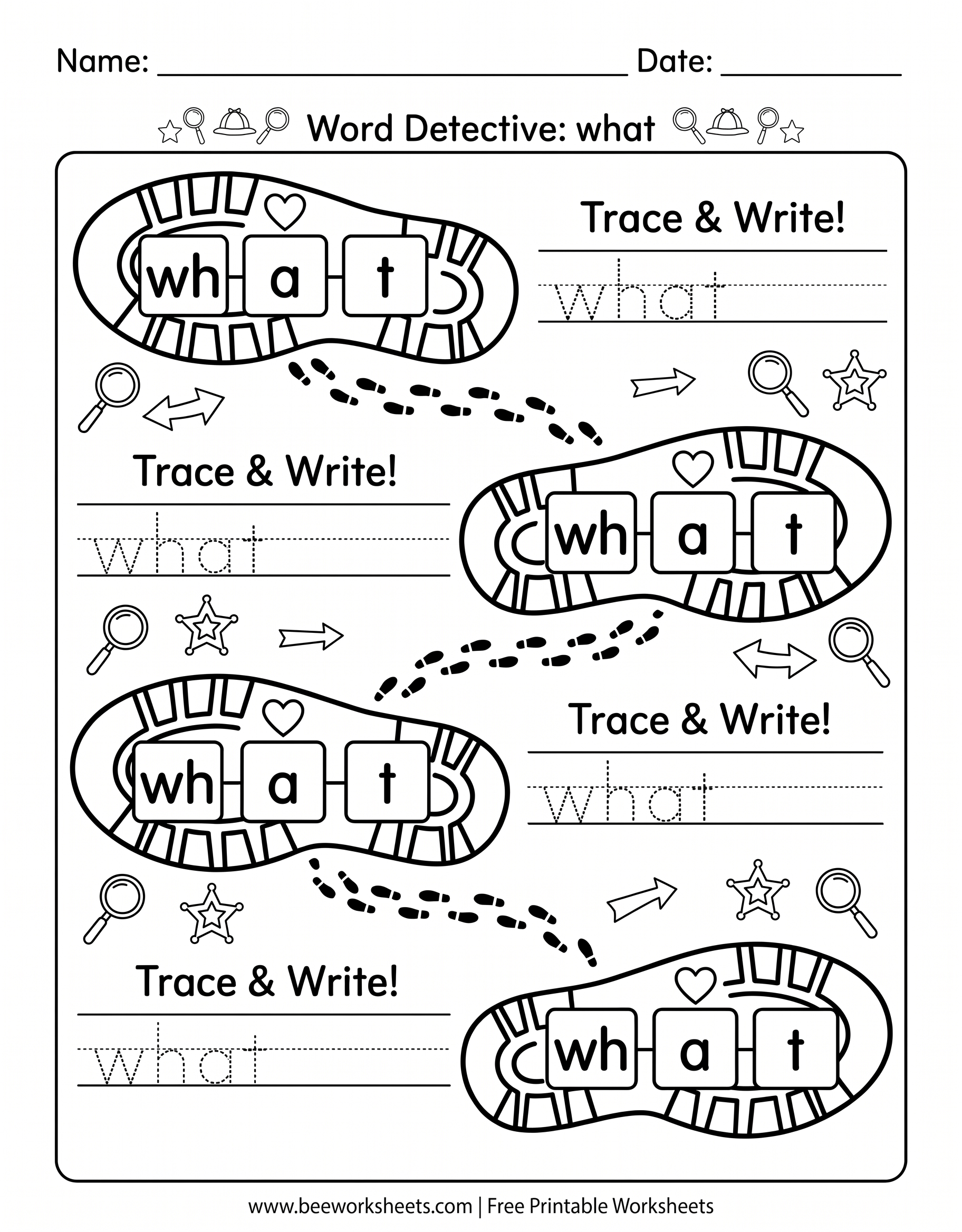
Inspect question word 'what'. Tap sounds /wh/ /uh/ /t/, mark regular /wh/ and /t/, color heart on short /uh/ spelled with 'a', and write in sentences.
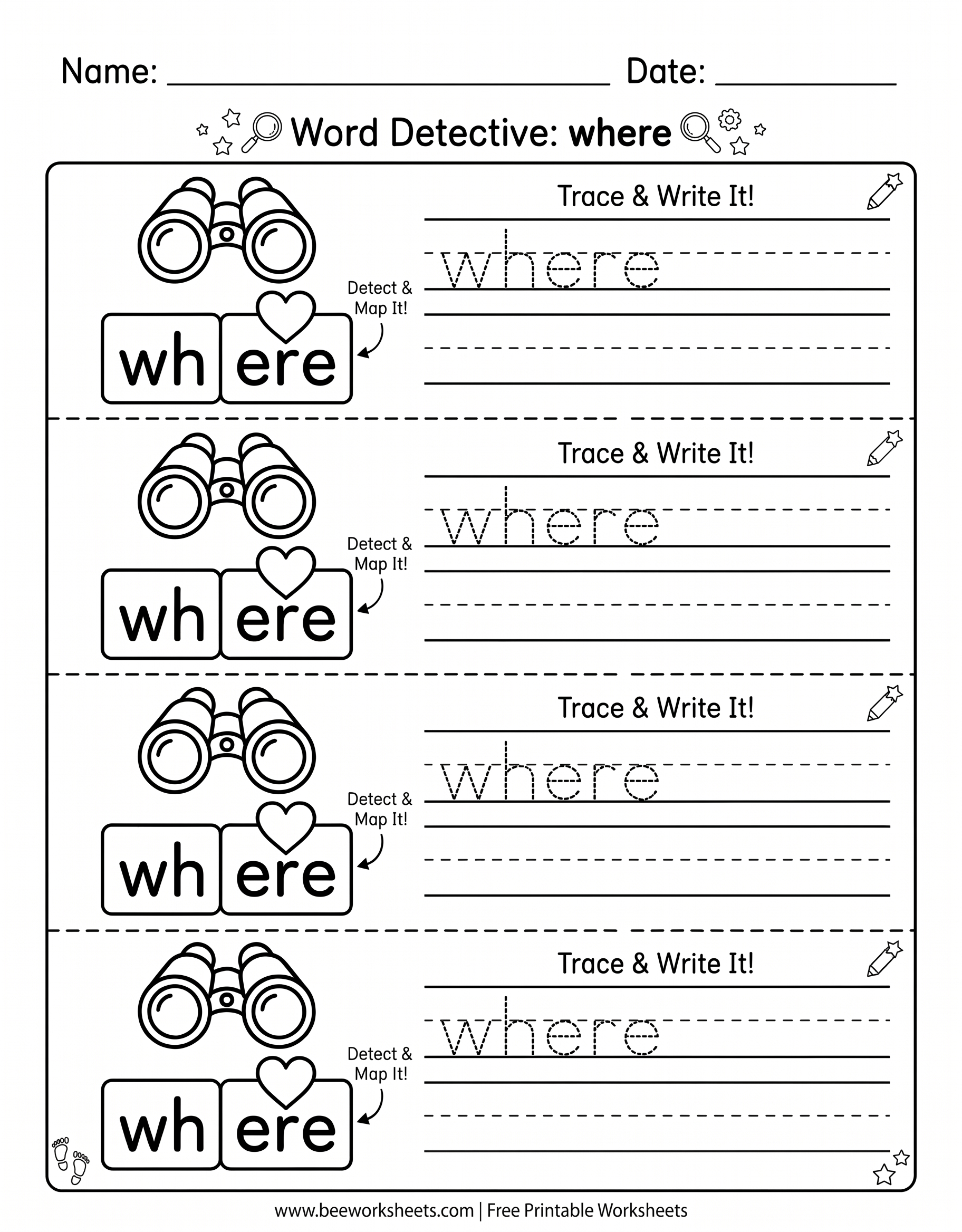
Crack the code on 'where'. Map regular /wh/ sound, heart-code irregular r-controlled spelling 'ere' (/air/), and practice writing.
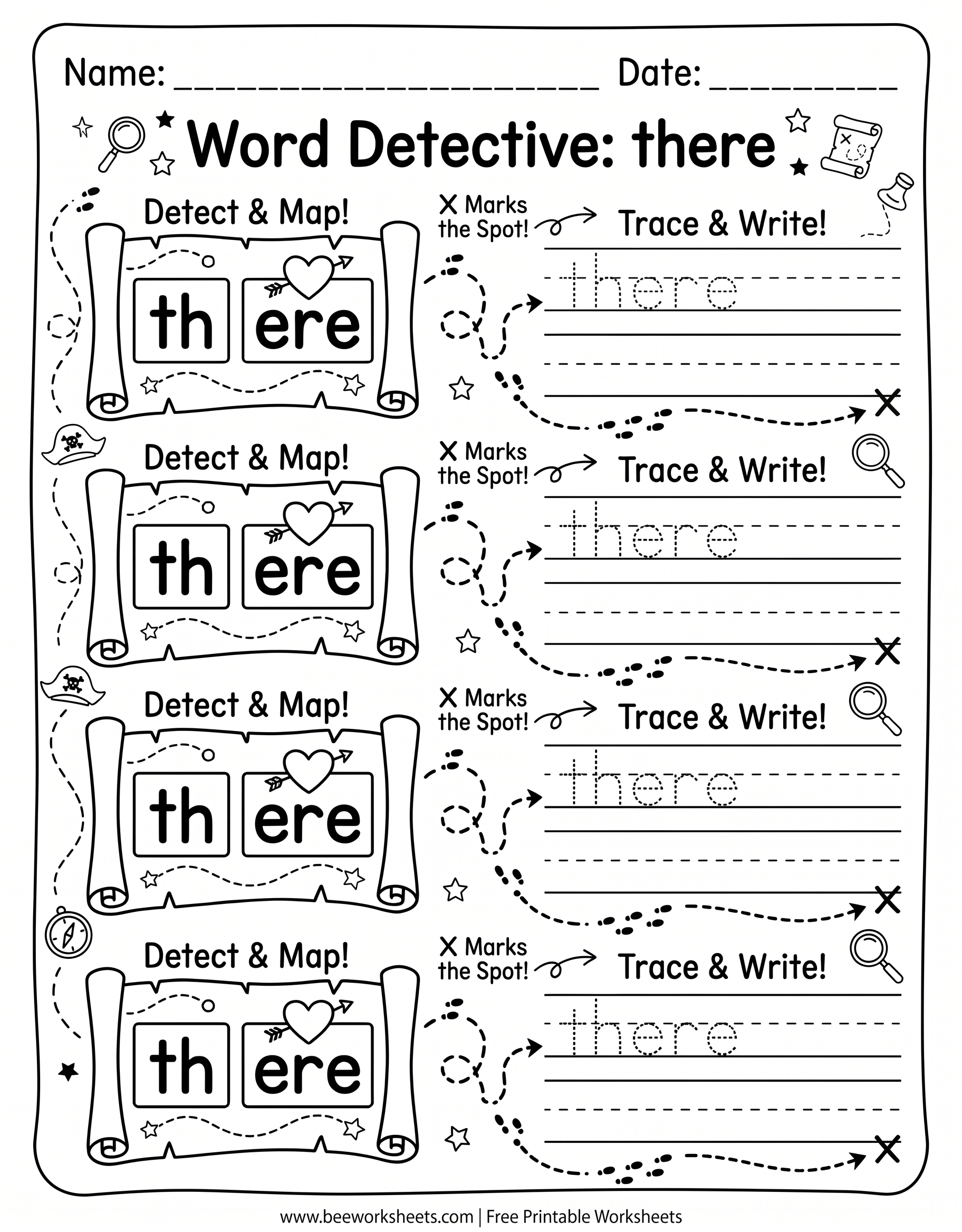
Complete the Word Detective: Detect & Map, X Marks the Spot, Trace & Write exercises according to Science of Reading phoneme-grapheme mapping rules.
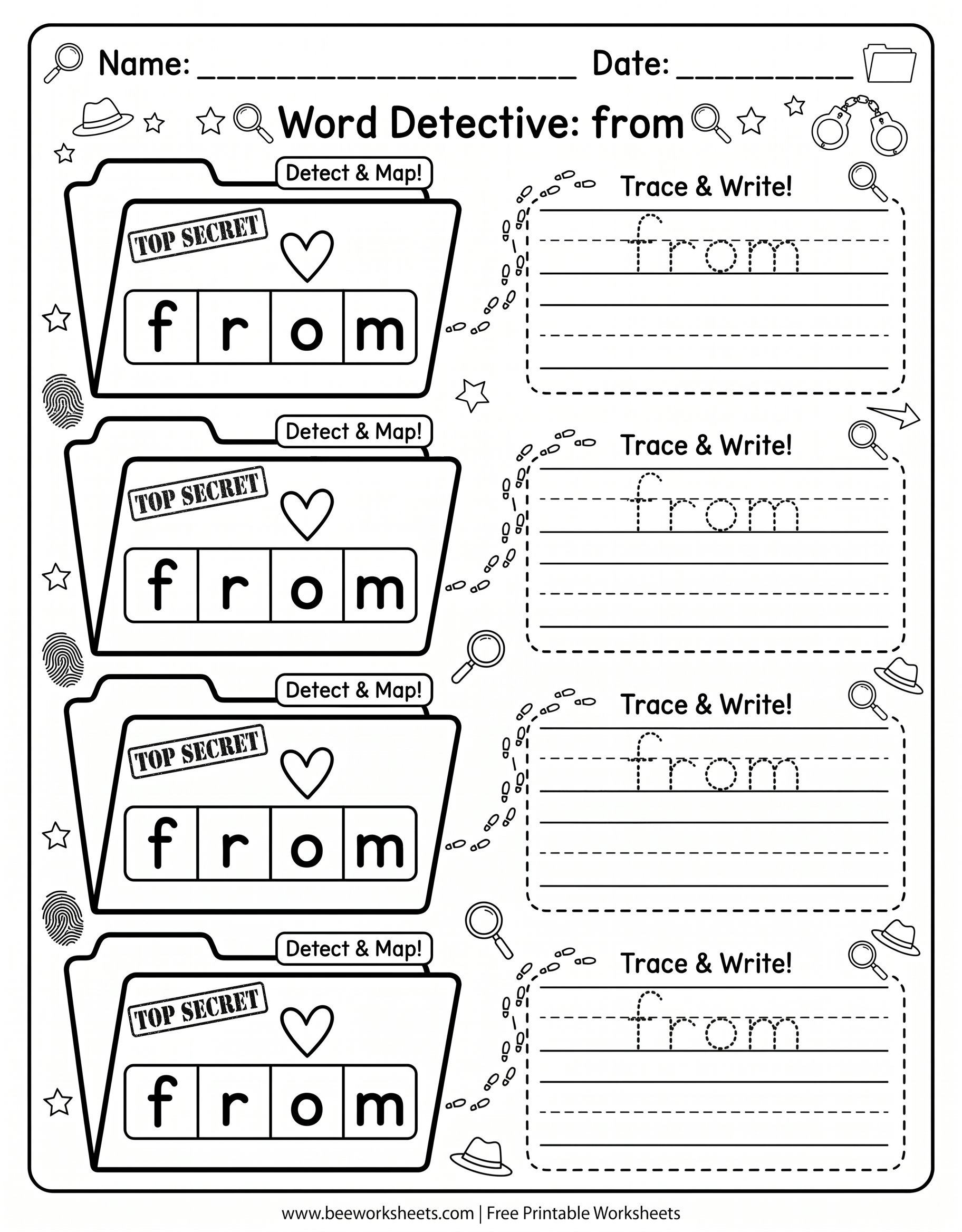
Complete the Word Detective: Detect & Map, Trace & Write exercises according to Science of Reading phoneme-grapheme mapping rules.
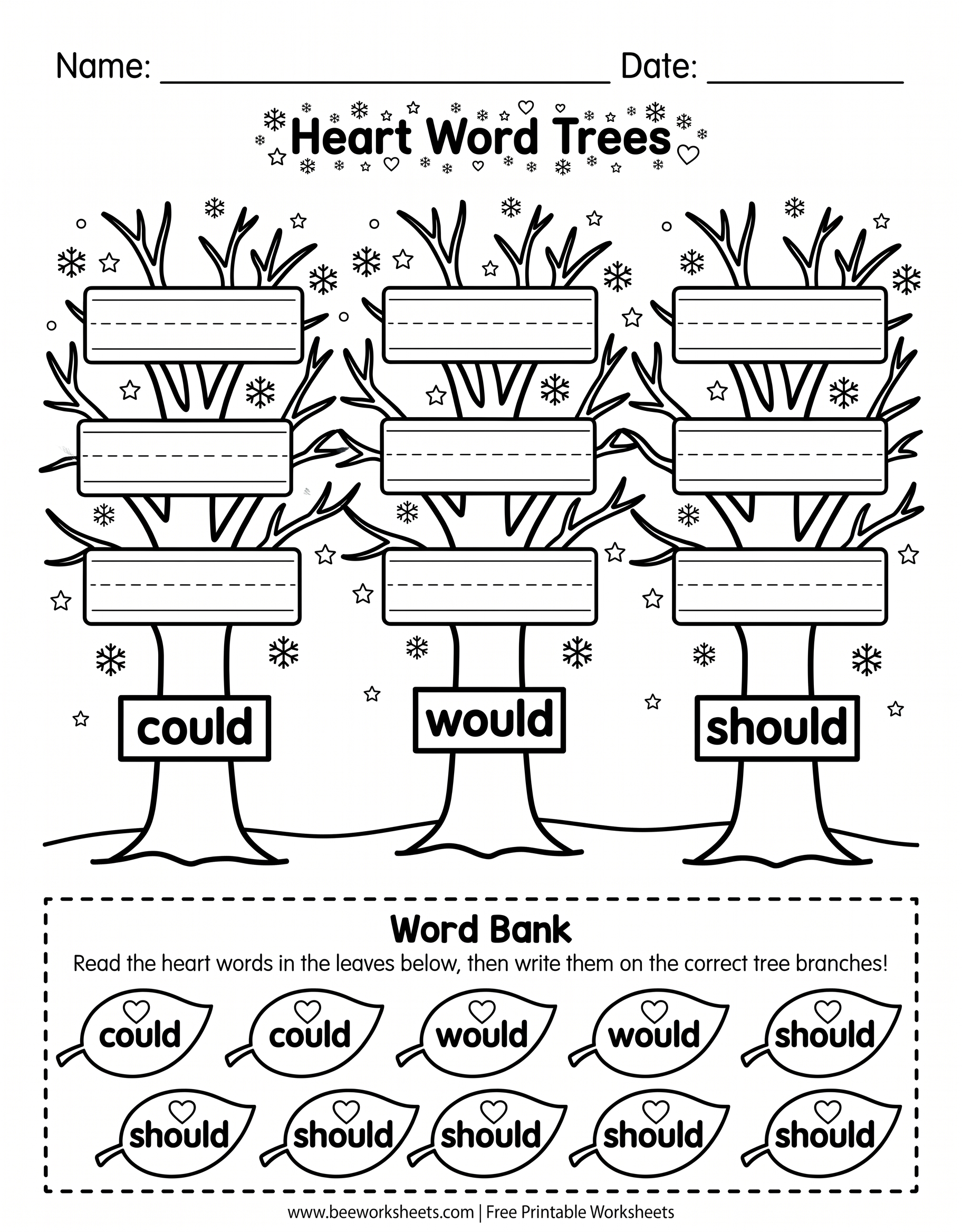
Complete the Heart Word Trees: Categorize, Sort & Write exercises according to Science of Reading phoneme-grapheme mapping rules.
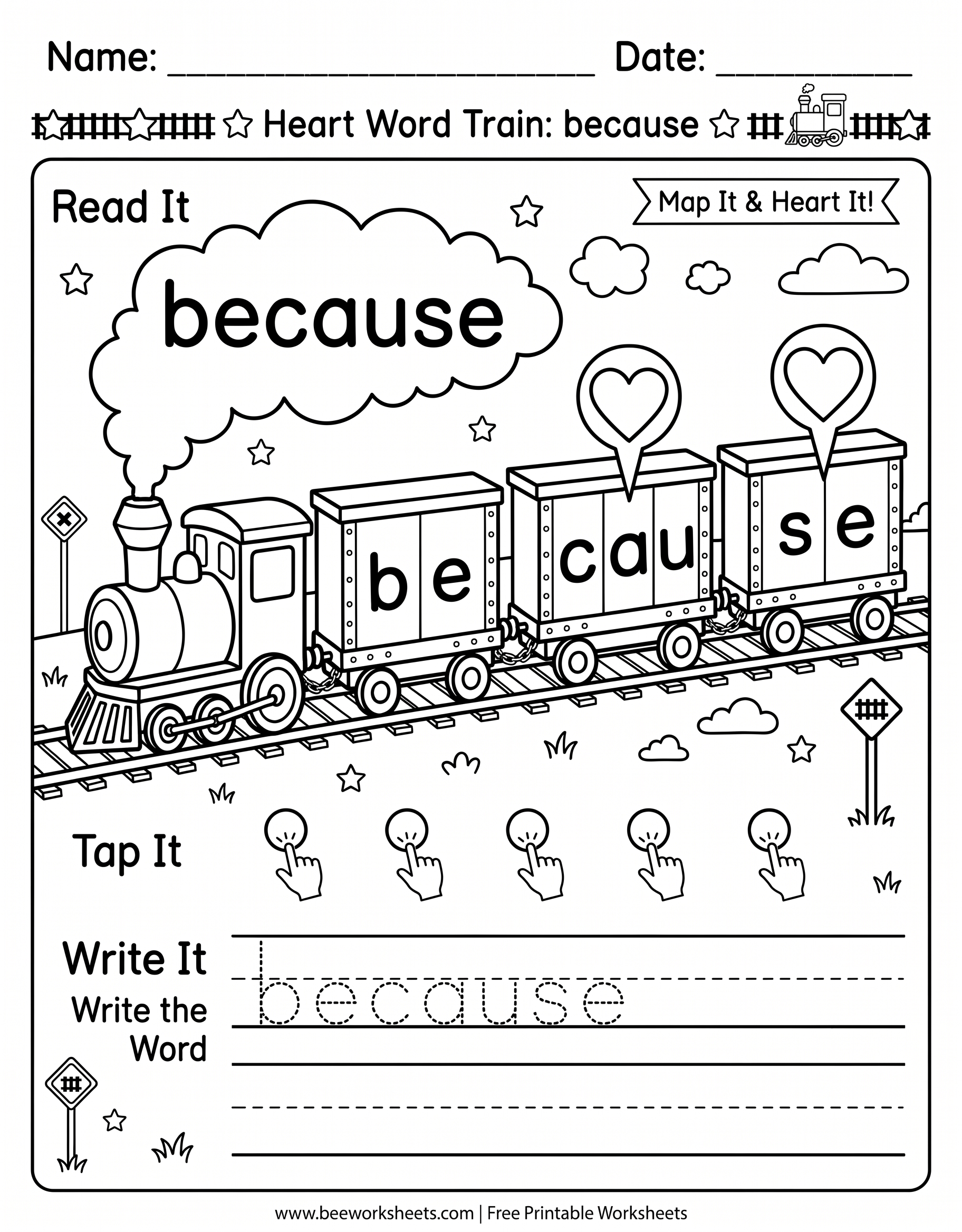
Complete the Heart Word Train: Syllable Chunking, Sound Mapping & Writing exercises according to Science of Reading phoneme-grapheme mapping rules.
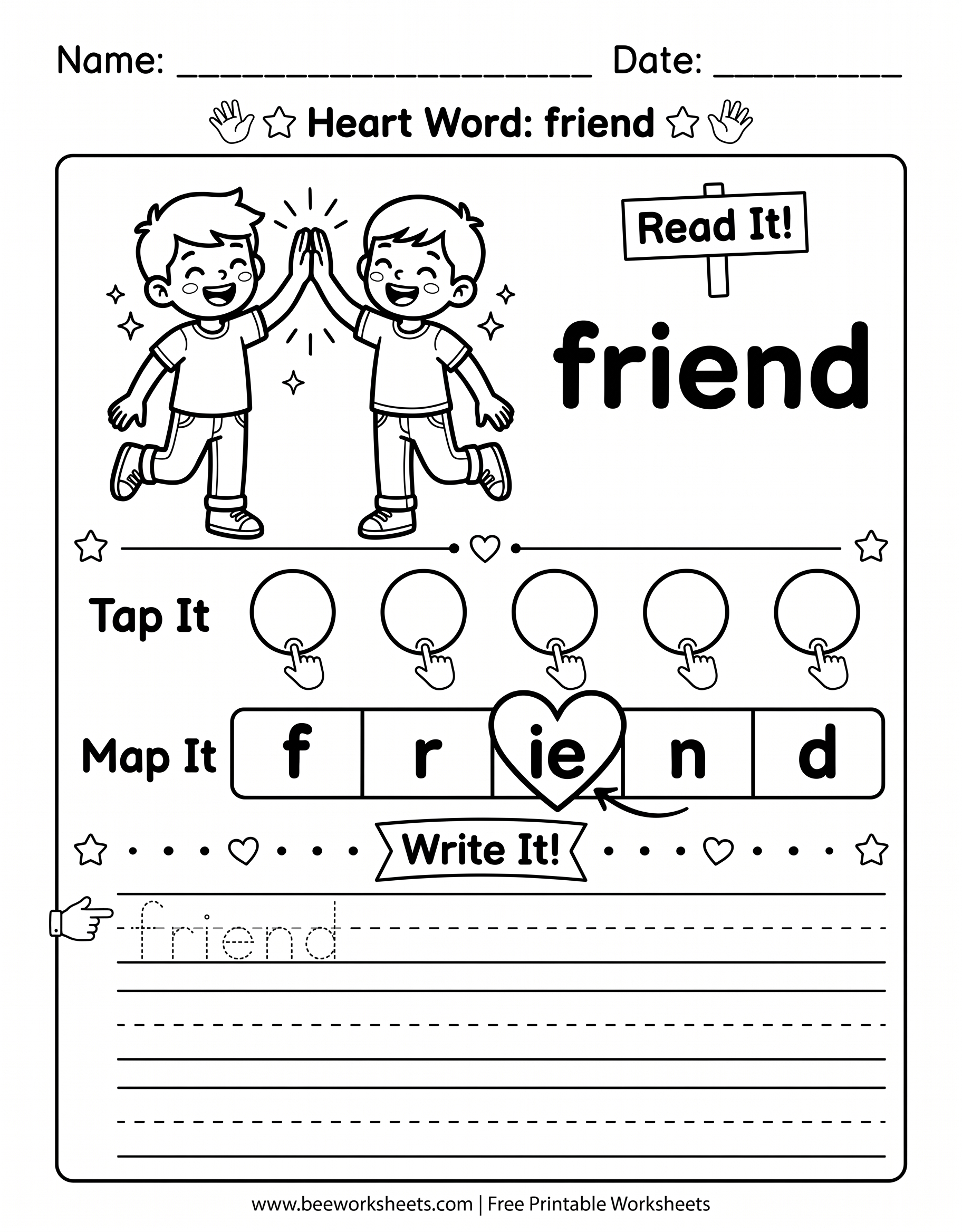
Complete the Read It, Tap It, Map It, Write It exercises according to Science of Reading phoneme-grapheme mapping rules.
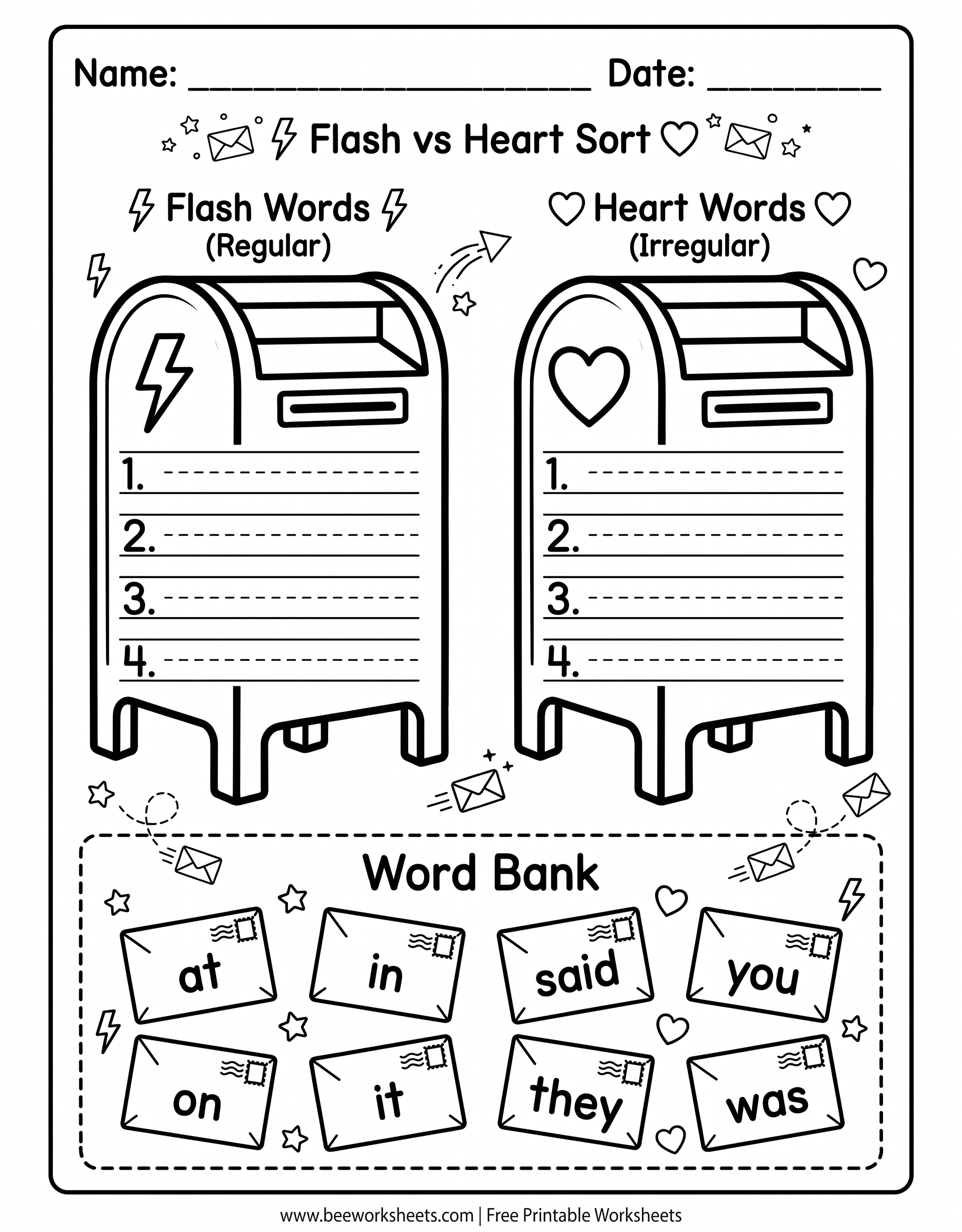
Complete the Dual Column Categorization & Sorting exercises according to Science of Reading phoneme-grapheme mapping rules.
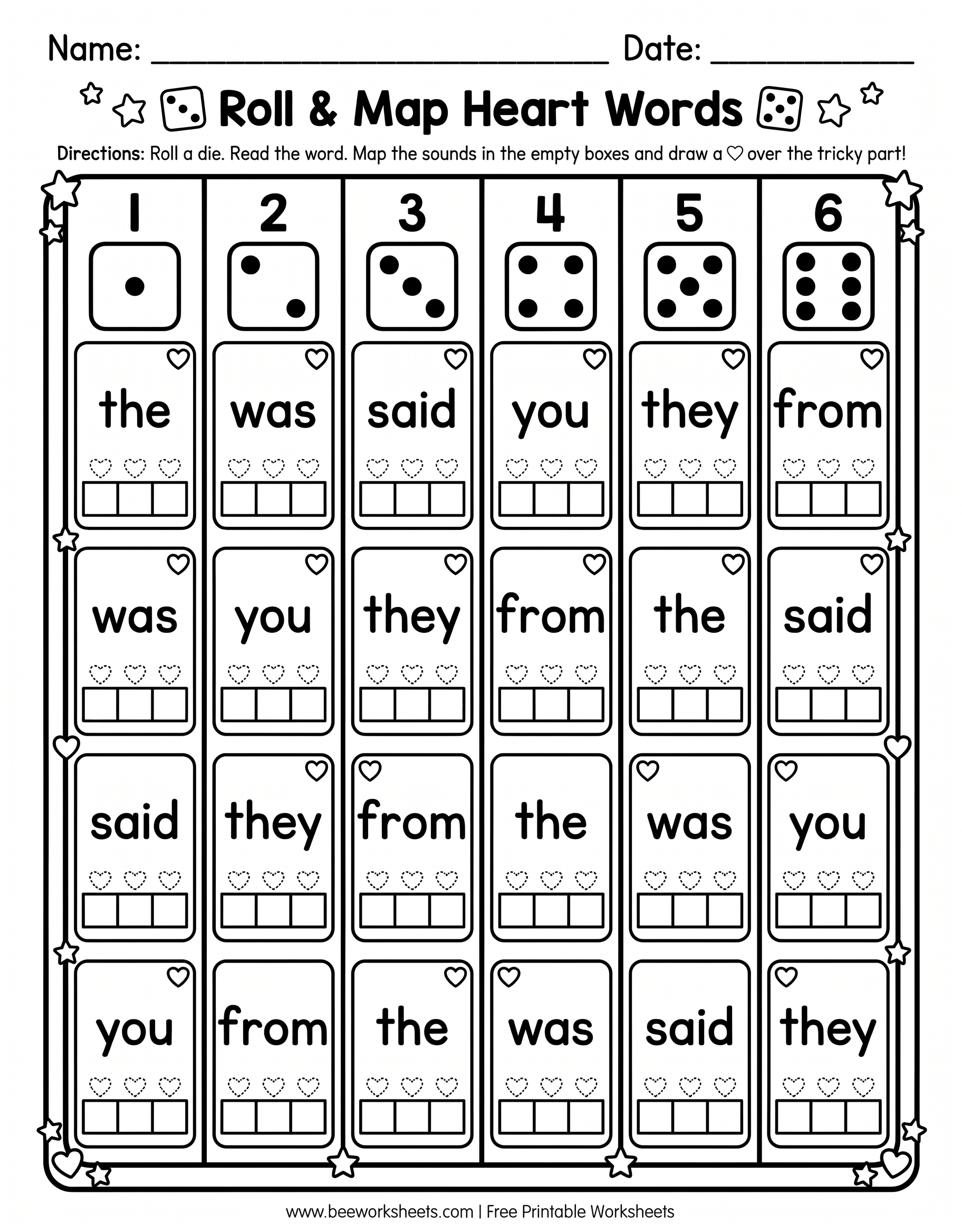
Complete the Dice Roll & Map Phonics Game exercises according to Science of Reading phoneme-grapheme mapping rules.
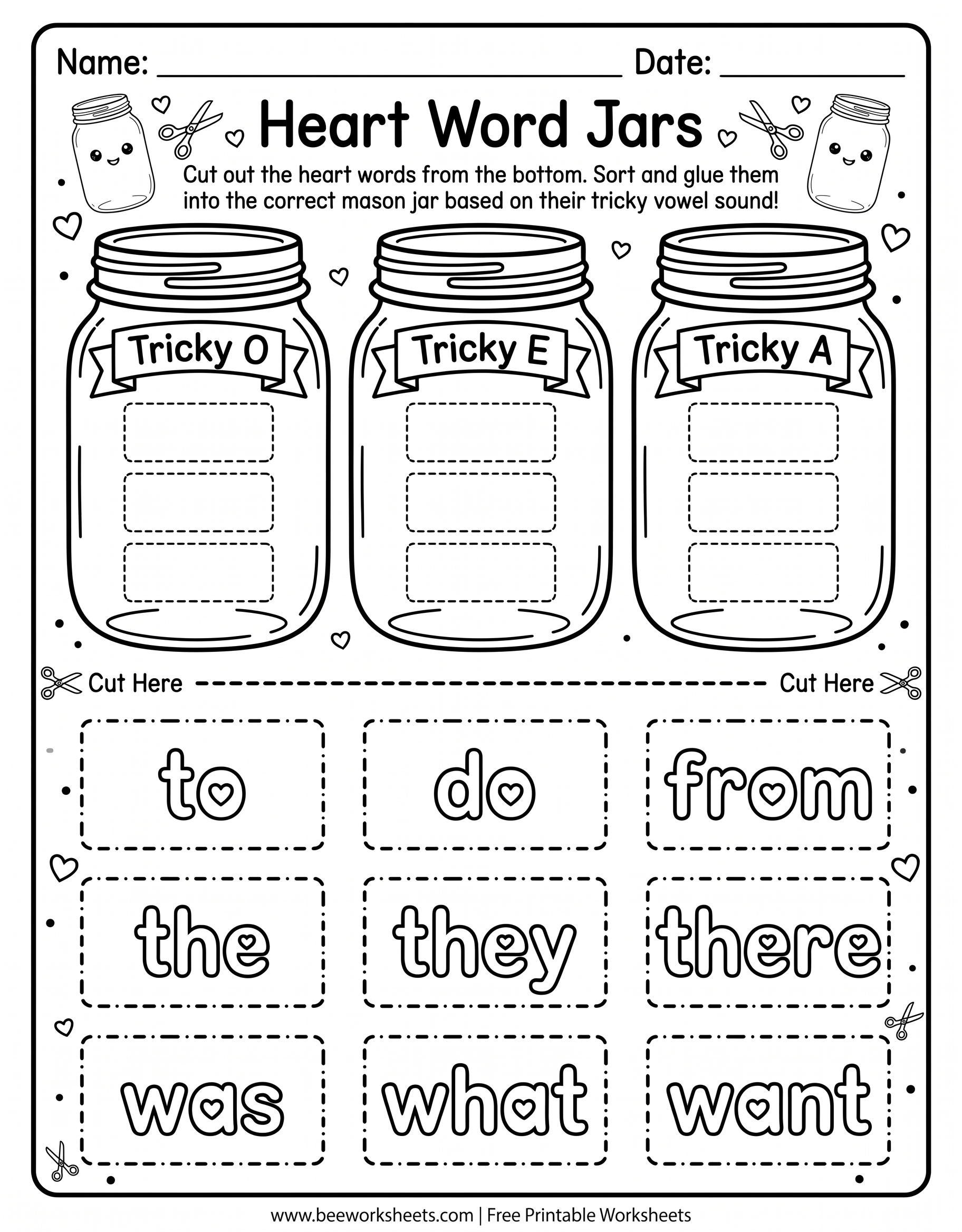
Complete the Cut and Glue Mason Jar Vowel Sort exercises according to Science of Reading phoneme-grapheme mapping rules.
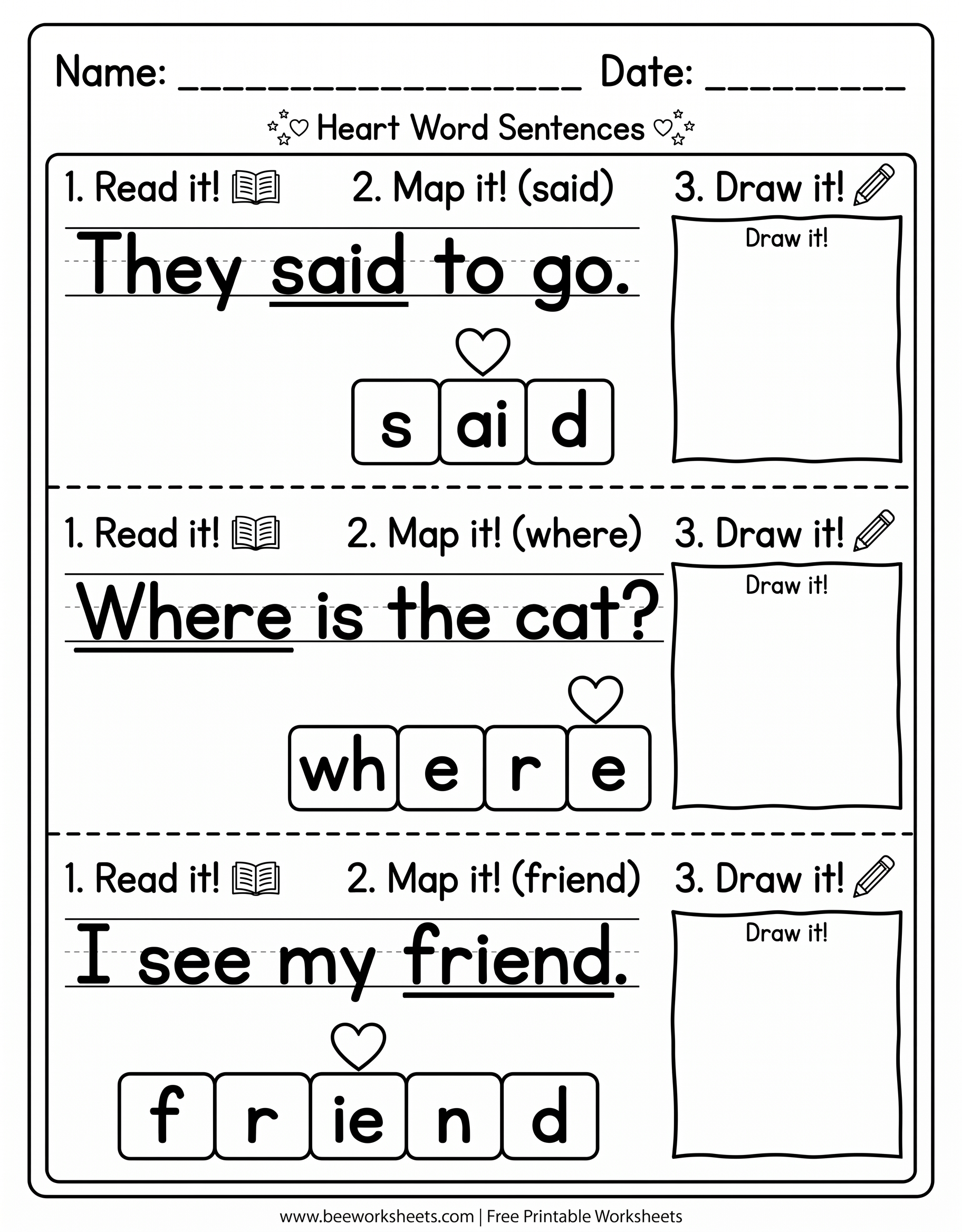
Complete the Read It, Map It, Draw It Comprehension exercises according to Science of Reading phoneme-grapheme mapping rules.
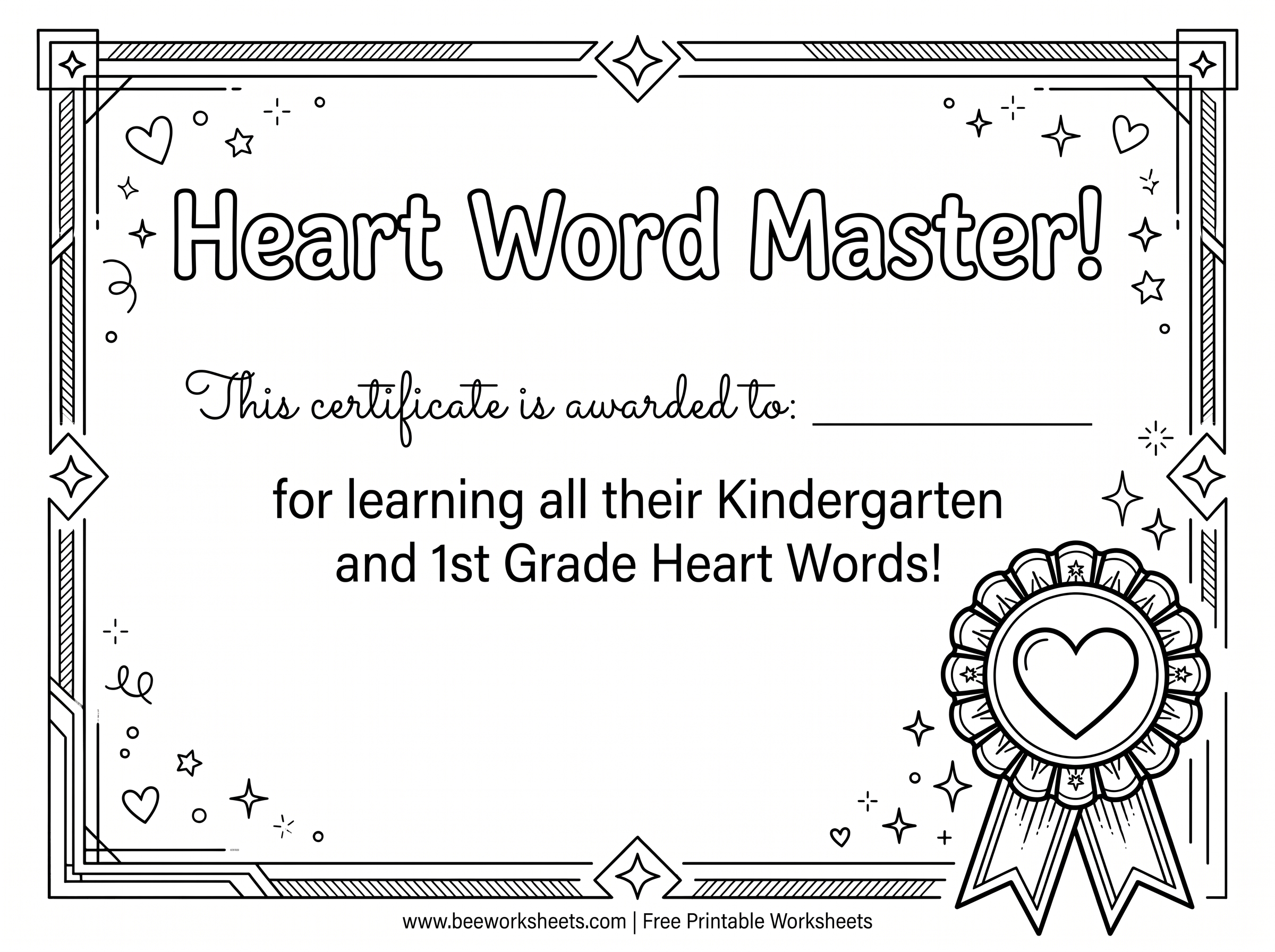
Complete the Award Presentation & Completion Milestone exercises according to Science of Reading phoneme-grapheme mapping rules.
Traditional sight words treated words as unanalyzable shapes. Research in cognitive psychology proves that reading develops when students connect auditory phonemes to visual graphemes (letters) in long-term memory.
In most "tricky" words, only one letter is irregular. In the word said, the s and d follow standard phonics rules; only the vowel digraph ai makes the short /e/ sound. We put a heart over the ai.
Once a child maps the phonemes and learns the heart sound, the word transforms into a "Flash Word" — read automatically in a flash without conscious decoding effort.
Say the word aloud and tap the sounds on your fingers (e.g. /s/ - /e/ - /d/).
Draw sound boxes. Write the letters for the regular sounds that match their phonemes.
Identify the unexpected sound and draw a heart over the tricky letter(s).
Practice writing the word from memory and reading it aloud in decodable sentences.
Heart Words are high-frequency words that contain irregular or untaught sound-spelling correspondences (like said, the, or was). Instead of memorizing words by whole visual shape, students use orthographic mapping to sound out the regular decodable parts and learn the tricky irregular part "by heart" with a heart symbol marked above it.
Traditional sight word instruction relied on rote visual memorization of 100+ whole words. Science of Reading research shows that the human brain stores written words by mapping phonemes to letters. The Heart Word method explicitly teaches children to map regular decodable sounds first and only memorize the specific irregular letters.
Yes! All 25 individual UFLI Heart Words worksheets and the combined 25-page Complete Phonics Workbook Bundle are 100% free to download and print in 300 DPI vector PDF format with zero subscriptions or hidden fees.